Moving Beyond Theory to Real Change in the Age of Digital India
🌟 Understanding Inclusiveness Beyond Definitions
In 2026, the idea of an inclusive society is no longer just a concept found in textbooks or policy documents—it is something people expect to see and experience in their daily lives. For years, inclusiveness was often discussed in theoretical terms, focusing on equality, rights, and opportunities. However, today the conversation has evolved into something more practical and urgent.
People are no longer satisfied with the idea of equal treatment alone; they are asking deeper questions about fairness, access, and real impact. Inclusiveness in today’s world means ensuring that every individual, regardless of their background, identity, or circumstances, feels seen, heard, and valued. It is about creating systems and environments where people are not just present but are able to participate meaningfully.
In a diverse country like India, where differences exist in culture, language, income, and geography, building an inclusive society requires more than good intentions—it requires consistent effort, awareness, and action. The vision of inclusiveness in 2026 is therefore rooted in reality, shaped by everyday experiences, and driven by a growing demand for genuine equality.
⚖️ Equality vs Equity: The Real Difference
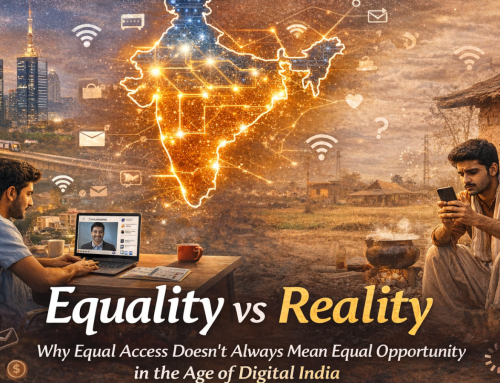
One of the most important shifts in understanding inclusiveness is the recognition of the difference between equality and equity. Equality means giving everyone the same resources or opportunities, assuming that everyone starts from the same point. While this sounds fair in theory, it often fails to address the deeper challenges faced by individuals who come from different backgrounds.
Equity, on the other hand, focuses on fairness by recognizing that people have different needs and circumstances. It involves providing support and resources based on those needs, ensuring that everyone has a fair chance to succeed. In 2026, this distinction has become central to conversations about inclusiveness.
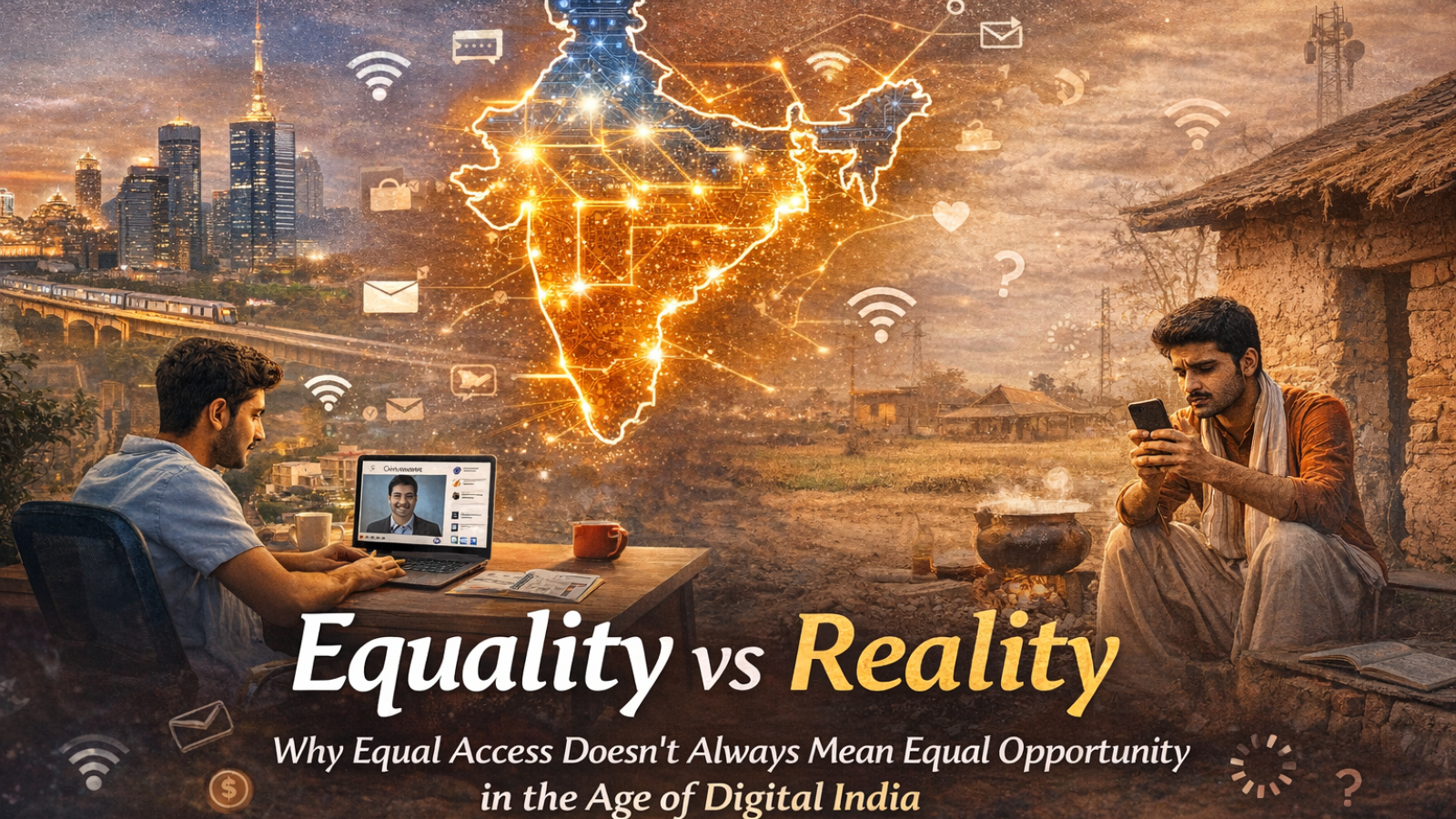
For example, providing the same digital tools to all students is equality, but ensuring that students in rural areas have internet access, training, and support is equity. An inclusive society understands that fairness is not about treating everyone the same—it is about giving everyone what they need to thrive. This shift from equality to equity is what makes inclusiveness more practical, more meaningful, and more impactful in real life.
🌆 Urban vs Rural: Bridging the Gap
One of the biggest challenges in building an inclusive society in India is the gap between urban and rural areas. Cities often have better infrastructure, access to education, job opportunities, and digital connectivity, while rural areas continue to face limitations in these areas. In 2026, this gap is still present, but it is gradually being addressed through various initiatives and technological advancements.
The vision of an inclusive society requires bridging this divide so that opportunities are not limited by location. A student in a village should have the same access to quality education as a student in a city. A small business owner in a rural area should be able to reach customers beyond their immediate surroundings. Inclusiveness means ensuring that geography does not define a person’s potential.
While progress has been made, achieving true inclusiveness requires continued investment in infrastructure, education, and digital access. It also requires a shift in mindset, where rural areas are not seen as less developed but as equally important contributors to the nation’s growth.
🌐 Digital India: A Game-Changer for Inclusiveness
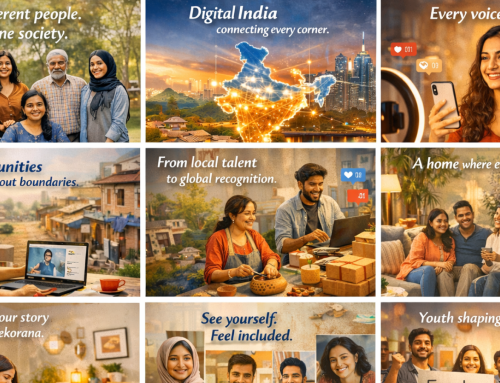
In this journey towards inclusiveness, the role of Digital India has been transformative. The initiative has focused on improving digital infrastructure, increasing internet accessibility, and promoting digital literacy across the country. In 2026, Digital India is not just a government program—it is a movement that is reshaping how people connect, learn, and grow.
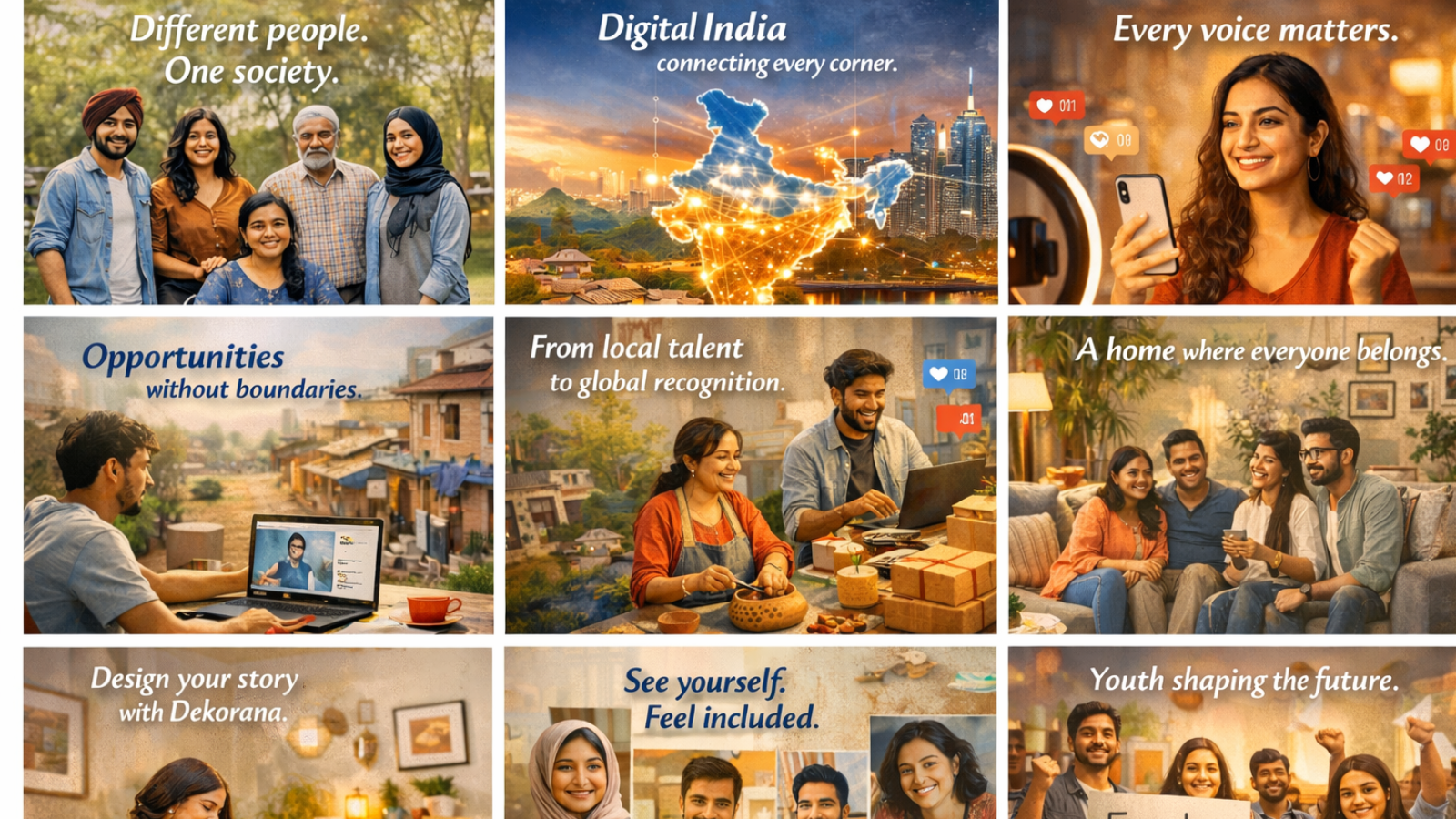
Through digital platforms, individuals from different parts of the country can access information, education, and opportunities that were once out of reach. A young student can attend online classes, a small entrepreneur can sell products online, and a content creator can share their voice with a global audience.
Digital India has made it possible for people to overcome traditional barriers and participate in the digital economy. It has also played a crucial role in giving a voice to those who were previously unheard. Social media, online platforms, and digital tools have created spaces where individuals can express themselves, raise awareness, and build communities.
This digital empowerment is a key element of an inclusive society, as it ensures that opportunities are not limited by physical boundaries.
📱 Real-Life Inclusiveness: Stories That Matter
To truly understand what an inclusive society looks like in 2026, it is important to look at real-life examples. Across the country, there are countless stories of individuals and communities using technology and innovation to create opportunities for themselves and others.
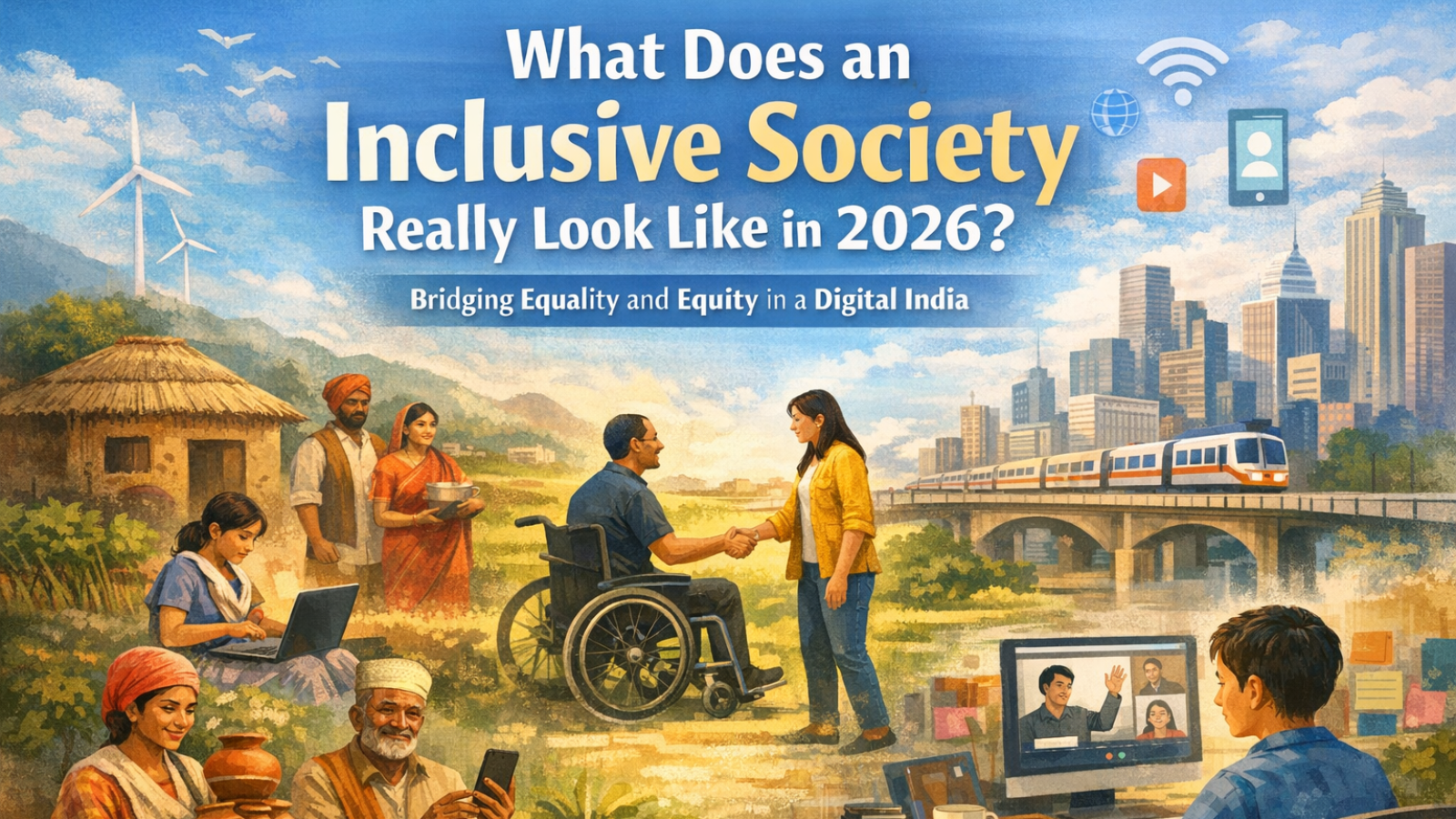
A young girl from a small town learning coding through online platforms and securing a job in a tech company is an example of inclusiveness in action. A local artisan using social media to sell handmade products to customers across the country is another example. A differently-abled individual using digital tools to build a career and achieve independence reflects the power of accessibility and inclusion.
These stories highlight that inclusiveness is not just about policies—it is about real people experiencing real change. It is about breaking barriers, challenging stereotypes, and creating opportunities that were once unimaginable. These examples show that when the right support systems are in place, individuals can overcome limitations and achieve their potential.
🧑🎓 Access to Education and Skills
Education plays a crucial role in building an inclusive society. In 2026, the focus is not just on providing education but on making it accessible, relevant, and inclusive. Digital platforms have made learning more flexible, allowing students to access courses, tutorials, and resources from anywhere. However, inclusiveness in education also requires addressing challenges such as digital literacy, language barriers, and affordability.
It is important to ensure that students from all backgrounds can benefit from these opportunities. Skill development has also become a key aspect of inclusiveness, as it enables individuals to participate in the workforce and contribute to the economy. An inclusive society invests in education and skills, recognizing that they are essential for personal growth and national development.
🏡 Inclusiveness in Everyday Spaces
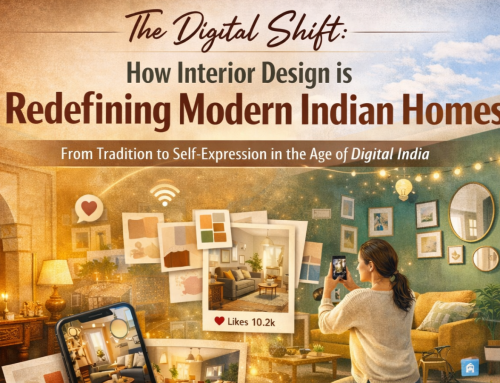
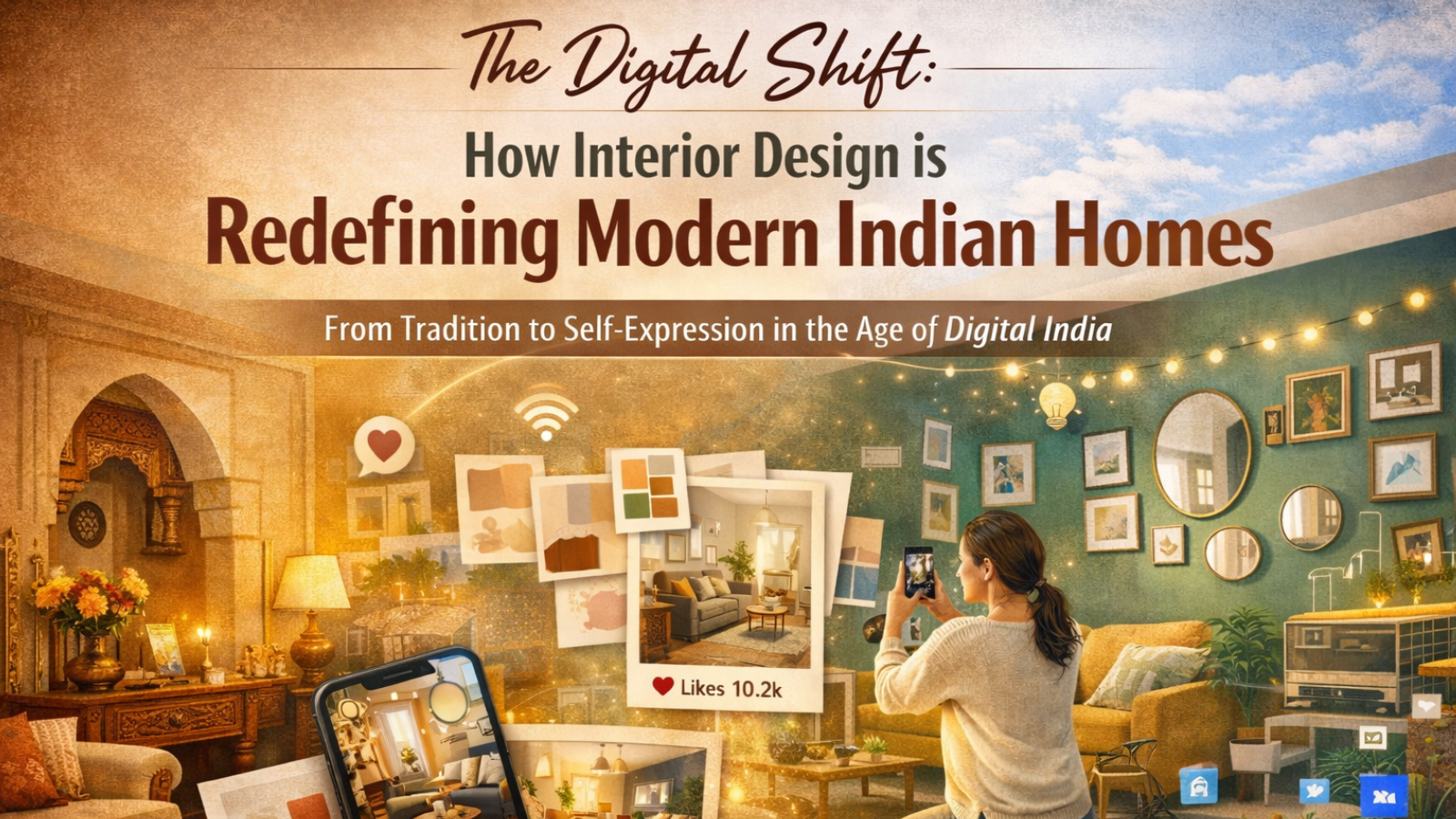
Inclusiveness is not limited to large systems and policies—it is also reflected in everyday spaces, including our homes and communities. In 2026, there is a growing awareness of the importance of creating environments that are welcoming and accessible for everyone. Homes are being designed to reflect diversity, comfort, and individuality.
This is where brands like Dekorana contribute to the idea of inclusiveness. By offering accessible and creative home decor solutions, Dekorana enables individuals to create spaces that reflect their identity and values. An inclusive home is one where everyone feels comfortable, respected, and valued. It is a space that encourages expression and connection, reinforcing the idea that inclusiveness begins with our everyday choices.
💬 Changing Mindsets and Social Awareness
While technology and infrastructure play a significant role, building an inclusive society also requires a change in mindset. Inclusiveness is not just about providing opportunities—it is about how people treat each other. It is about empathy, respect, and understanding.
In 2026, there is a growing awareness of the importance of these values, driven by education, social media, and public discourse. People are becoming more conscious of issues such as discrimination, bias, and inequality, and are taking steps to address them. This shift in mindset is essential for creating a society where inclusiveness is not just practiced but also valued.
⚠️ Challenges That Still Exist
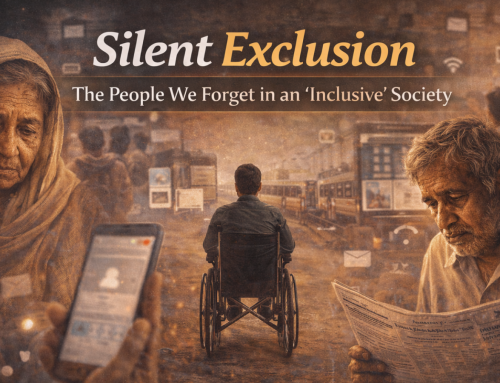
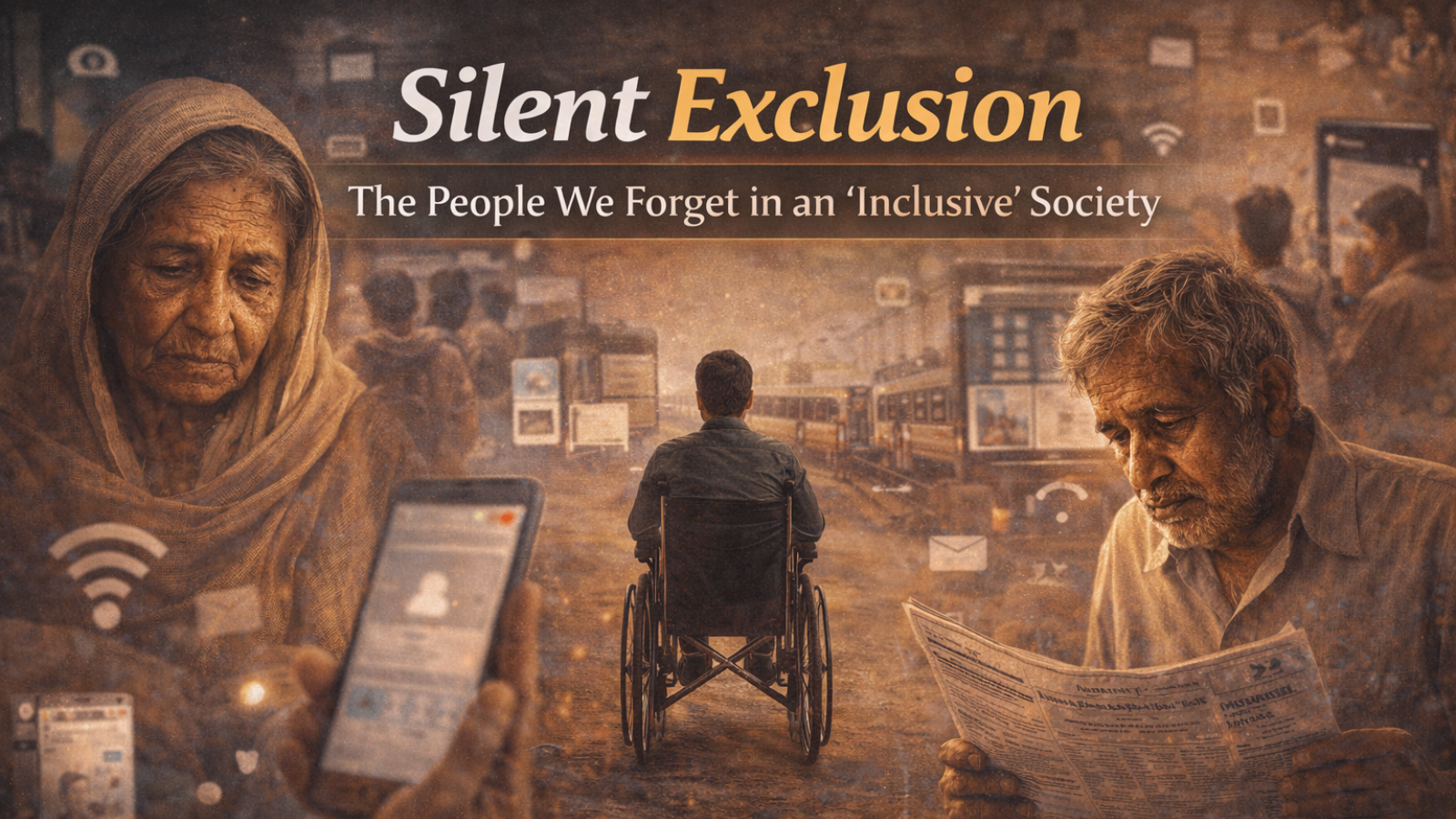
Despite the progress made, there are still challenges that need to be addressed. The digital divide, lack of awareness, and social inequalities continue to impact inclusiveness. Not everyone has access to technology, and not everyone feels safe or confident in expressing themselves online.
Addressing these challenges requires a collaborative effort from governments, organizations, and individuals. It also requires continuous innovation and investment in infrastructure and education. Inclusiveness is an ongoing process, and achieving it requires persistence and commitment.
🔮 The Future of Inclusiveness
Looking ahead, the vision of an inclusive society in India is both inspiring and achievable. With the continued growth of Digital India, the expansion of digital access, and the increasing awareness of social issues, the country is moving towards a more inclusive future.
In this future, opportunities will not be limited by location, background, or identity. People will have the freedom to express themselves, pursue their goals, and contribute to society. Inclusiveness will become a natural part of everyday life, shaping how people interact, work, and live.
❤️ Conclusion: Inclusiveness in Action
An inclusive society in 2026 is not defined by words—it is defined by actions. It is reflected in the opportunities people have, the respect they receive, and the sense of belonging they feel. It is about creating a world where everyone has the chance to grow and succeed.
Digital India has provided a strong foundation for this transformation, but the journey is far from complete. Building an inclusive society requires continuous effort, awareness, and collaboration. It requires individuals to take responsibility, organizations to create opportunities, and communities to support each other. Inclusiveness is not just a goal—it is a commitment to building a better future for everyone.