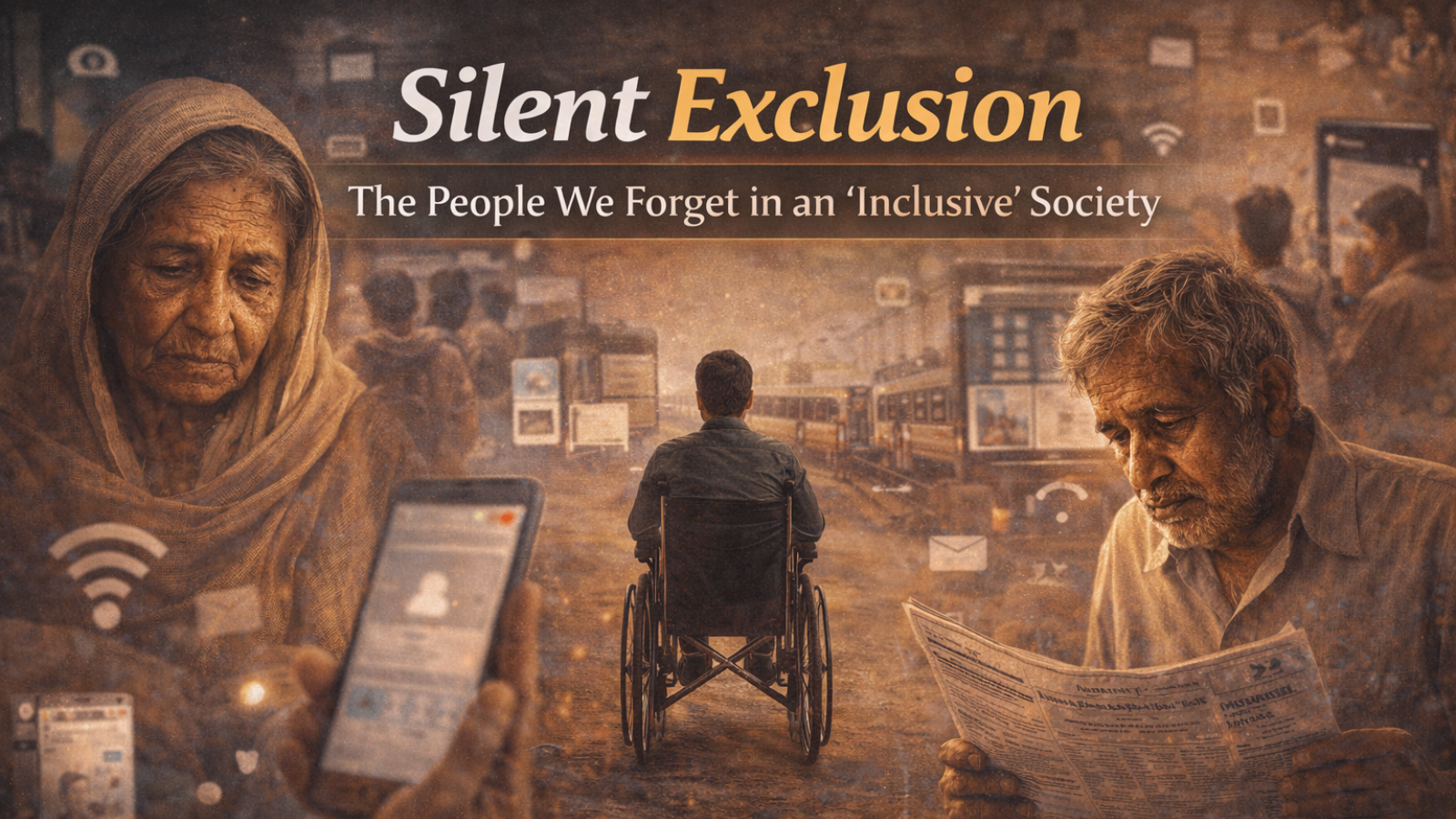
The Hidden Reality Behind a World That Claims to Include Everyone
The Illusion of an Inclusive Society
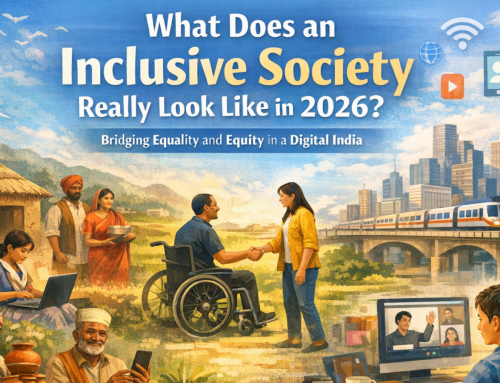
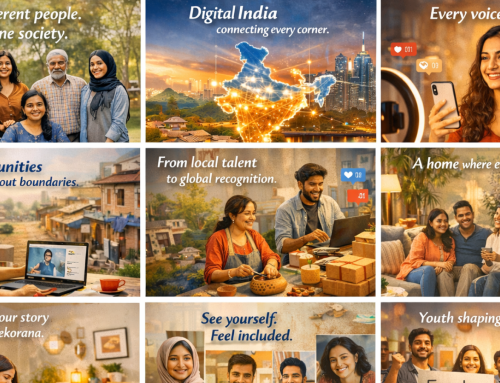
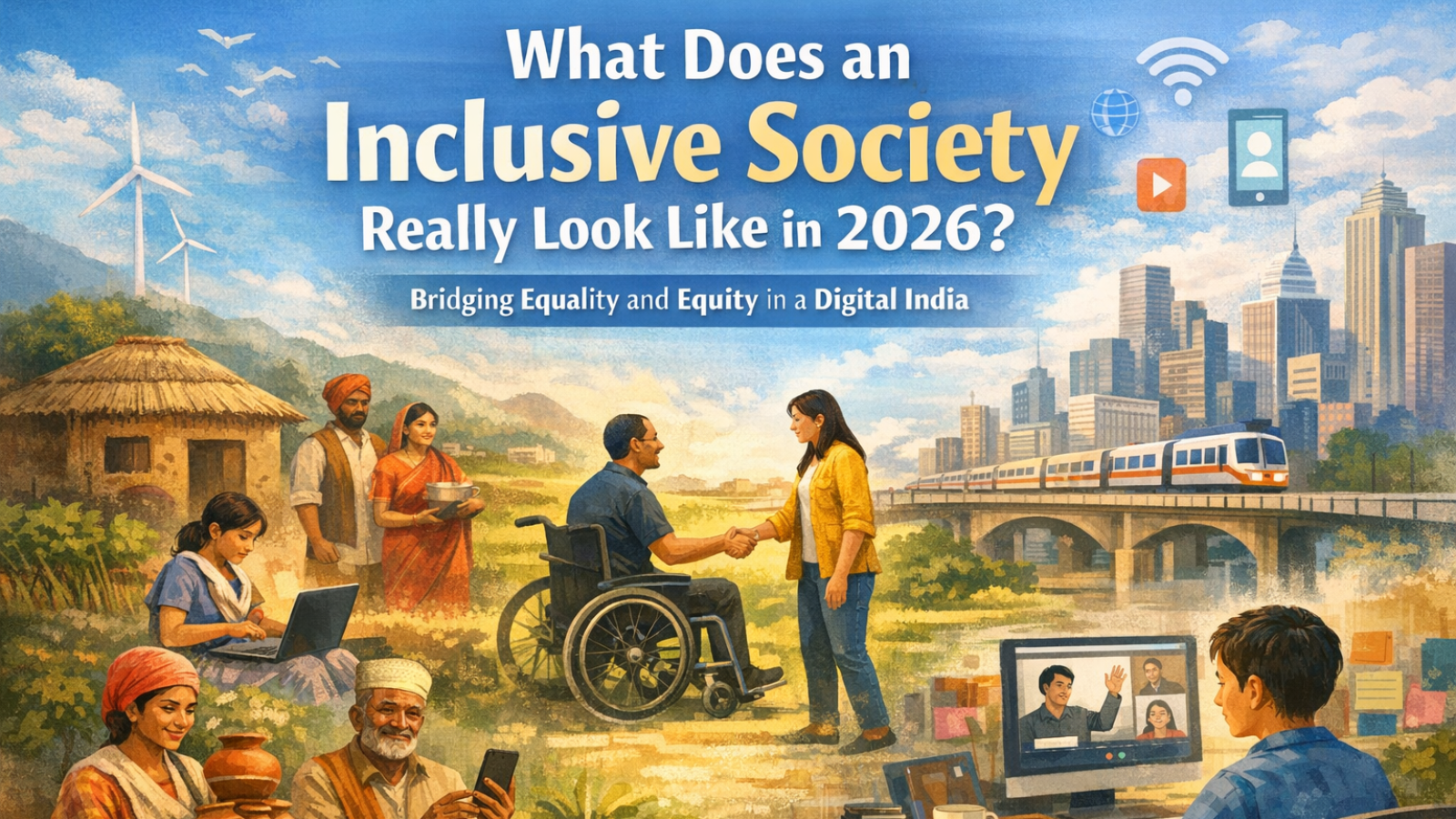
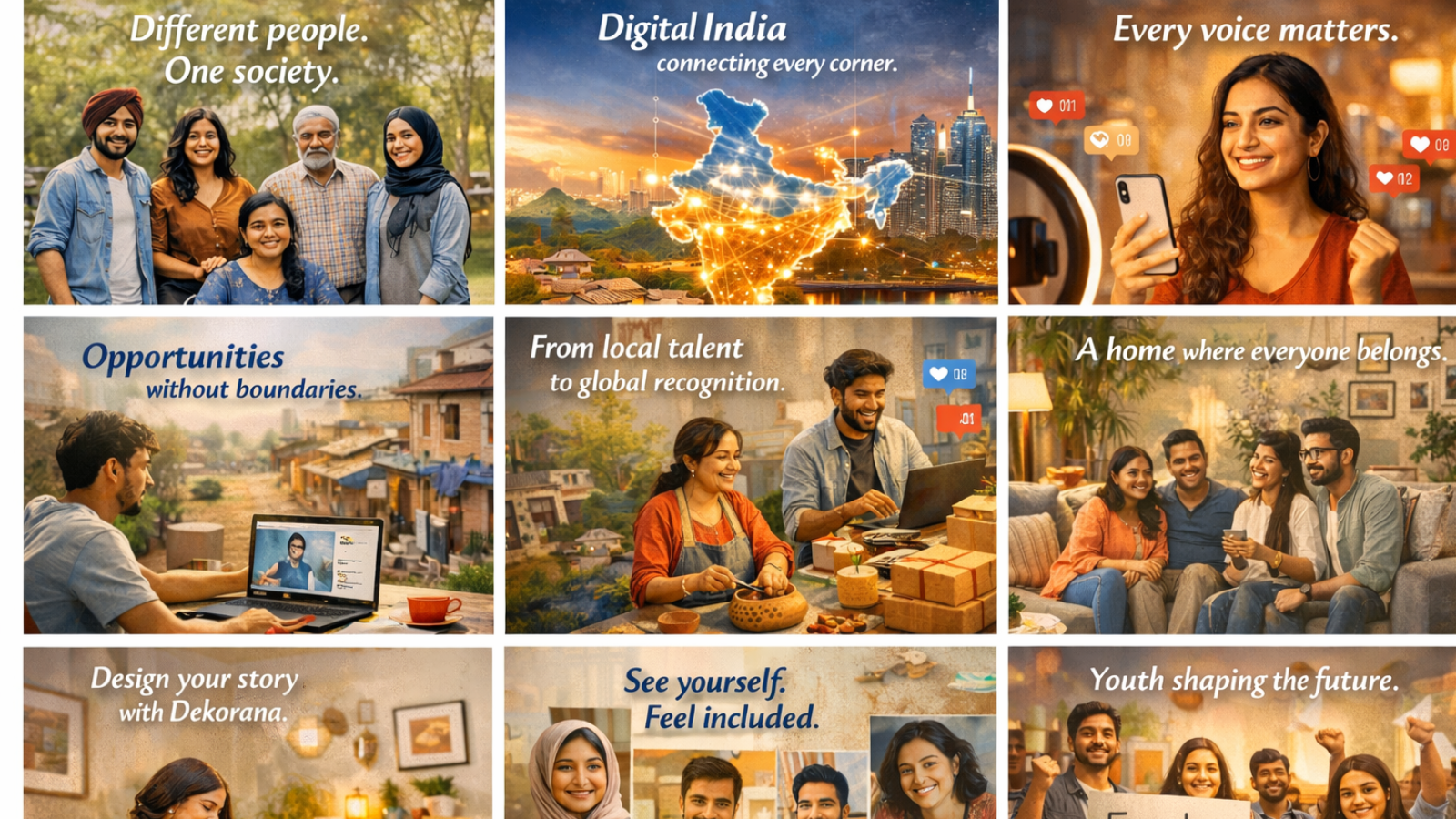
We live in a time where inclusiveness is celebrated everywhere. It is spoken about in campaigns, highlighted in policies, and promoted across social media platforms. From brands to governments, everyone seems to be working towards building a society where no one is left behind. On the surface, it feels like we are moving in the right direction—a world where differences are accepted, diversity is valued, and opportunities are accessible to all.
But if we pause for a moment and look closer, a different reality begins to emerge.
Inclusiveness today often focuses on what is visible—on voices that are loud enough to be heard, on communities that have gained attention, and on issues that trend online. However, there exists a quieter, less visible side of society—people who are not part of these conversations, not because they don’t matter, but because they are often overlooked. This is where the idea of silent exclusion comes into play.
Silent exclusion is not loud. It does not trend. It does not demand attention. It exists in the background, affecting people who are rarely seen, rarely heard, and rarely considered in the process of building an “inclusive” society.
The Elderly: Left Behind in a Fast-Moving World
In the race towards modernization and digital transformation, one group that often gets left behind is the elderly. As technology continues to evolve rapidly, older generations struggle to keep up with changes that feel overwhelming and unfamiliar. Simple tasks such as booking appointments, making payments, or accessing services are increasingly shifting to digital platforms.
For a younger generation, this transition feels natural. But for many elderly individuals, it creates a barrier.
They are not unwilling to adapt—they are often excluded because the systems are not designed keeping them in mind. Interfaces are complex, instructions are unclear, and support is limited. As a result, they become dependent on others for tasks they once handled independently.
This is not just a technological gap—it is an emotional one.
The feeling of being left out, of not understanding how things work anymore, creates a sense of isolation. In a society that claims to be inclusive, the elderly often find themselves on the margins, silently excluded from a world that is moving too fast to wait for them.
Differently-Abled Individuals: Inclusion Without Accessibility
Another group that experiences silent exclusion is differently-abled individuals. While there is increasing awareness around inclusiveness, accessibility is still not fully integrated into everyday systems.
Public spaces, digital platforms, and services are often designed with a “one-size-fits-all” approach, ignoring the diverse needs of individuals. For someone with a physical disability, the absence of ramps or accessible transport can limit mobility. For someone with visual or hearing impairments, the lack of adaptive technologies can make digital platforms difficult to navigate.
In theory, these individuals are included. In reality, they face barriers at every step.
True inclusiveness requires more than acknowledgment—it requires action. It requires designing systems that adapt to people, rather than expecting people to adapt to systems. Until accessibility becomes a priority rather than an afterthought, inclusiveness will remain incomplete.
The Non-Digital Population: Invisible in a Digital World
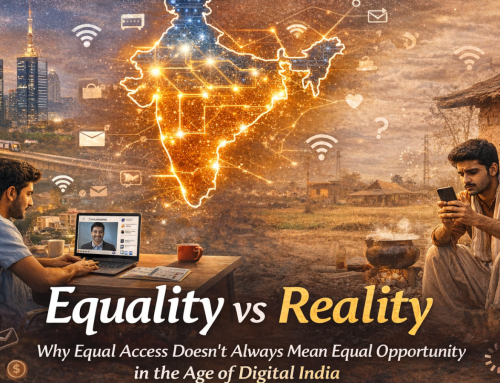
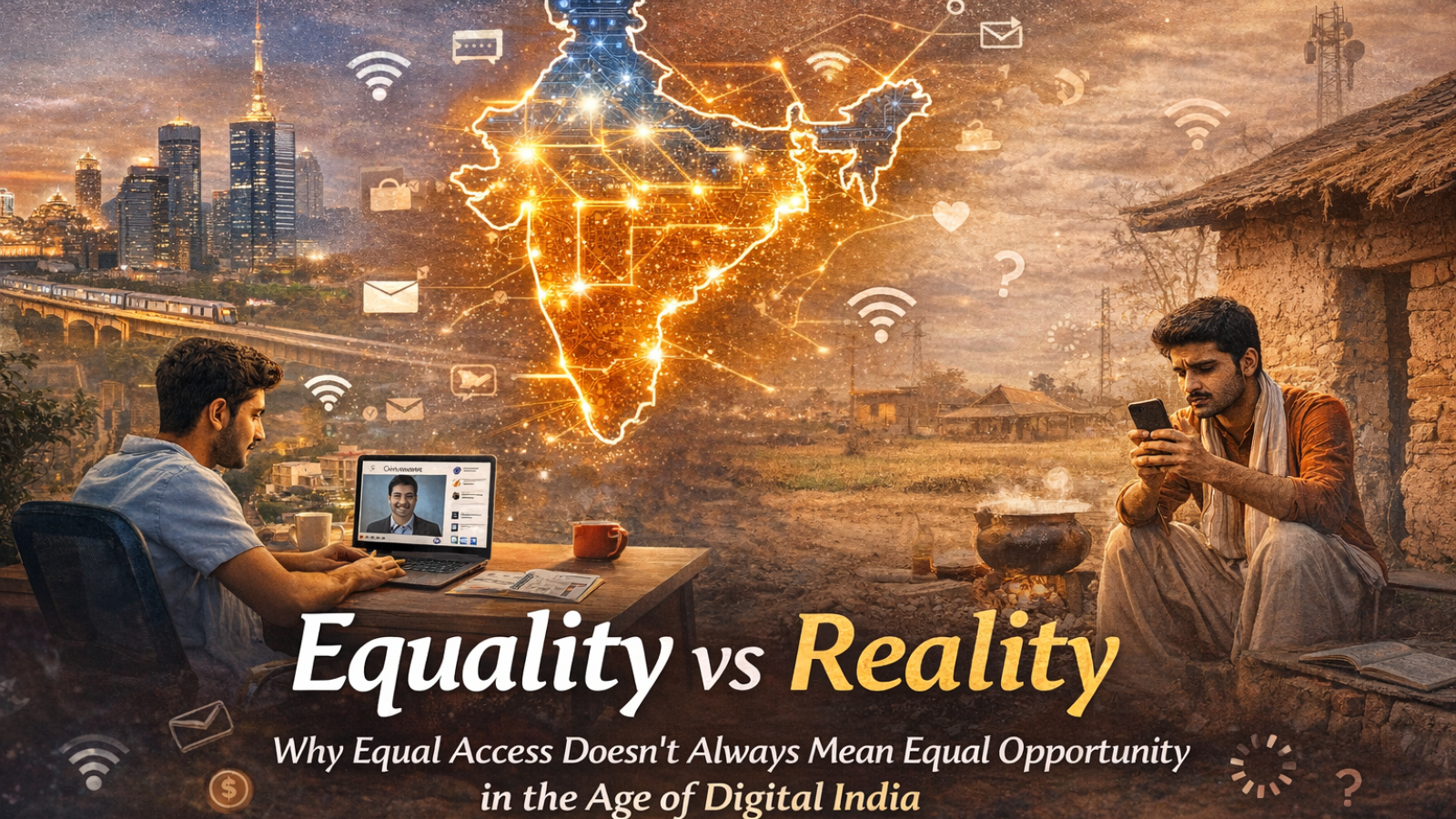
As society becomes increasingly digital, those who are not part of this ecosystem are slowly becoming invisible. Not everyone has access to smartphones, stable internet, or digital literacy. And even among those who do, not everyone is comfortable using technology.
This group includes:
- People in remote or underdeveloped areas
- Individuals with limited education
- Those who cannot afford digital devices
- People who simply prefer traditional ways
In the age of digital transformation, these individuals are often excluded from essential services, opportunities, and information.
For example, when job applications move online, those without digital access are automatically left out. When services become app-based, those who cannot navigate them are excluded. When communication shifts to digital platforms, those who are offline lose their voice.
This is silent exclusion at its most subtle level—it does not force people out; it simply moves forward without them.
The Quiet Voices That Are Never Heard
In a world driven by social media and digital engagement, visibility often determines value. People who can express themselves confidently, create content, and engage with audiences are more likely to be heard.
But what about those who cannot?
There are countless individuals who have opinions, ideas, and experiences but lack the confidence, resources, or platforms to share them. They remain unheard, not because they have nothing to say, but because the system does not amplify their voices.
Inclusiveness is often measured by participation—but participation itself requires access, confidence, and opportunity.
When only certain voices dominate conversations, inclusiveness becomes selective. It creates an environment where some people are seen as contributors, while others remain silent observers.
Silent Exclusion in Everyday Spaces
Silent exclusion is not limited to systems and platforms—it exists in our everyday environments as well.
Think about the spaces we live in.
Are they designed for everyone?
Do they consider the needs of elderly individuals, children, or differently-abled people? Do they create a sense of comfort and belonging for all?
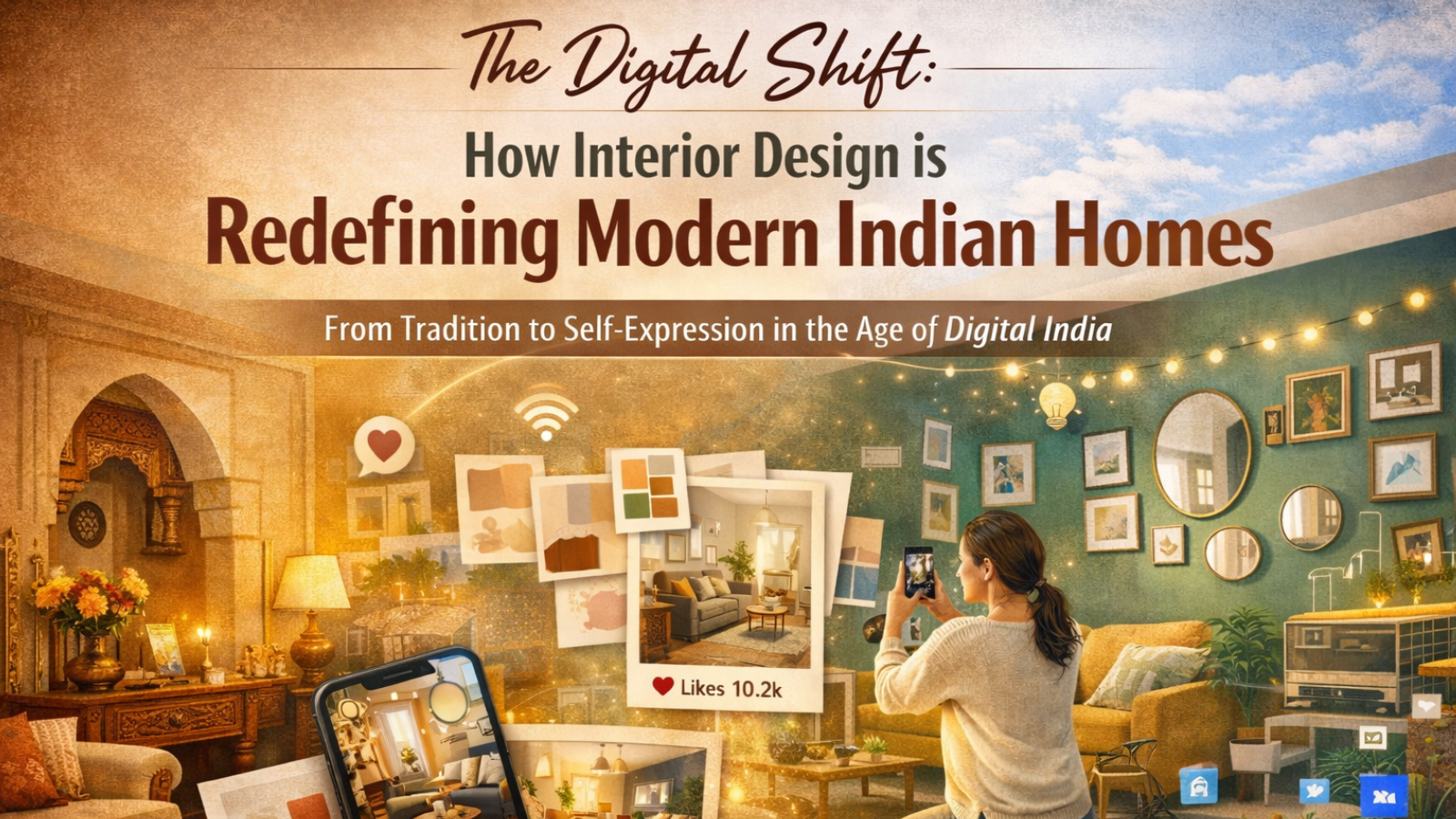
Inclusiveness begins at home, in the smallest of spaces.
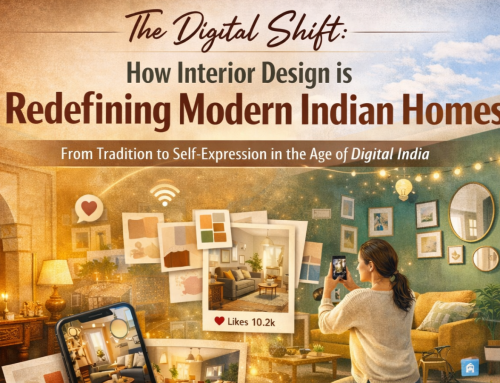
This is where brands like Dekorana can play a meaningful role. By creating home decor solutions that are accessible, adaptable, and inclusive, Dekorana can help individuals design spaces that feel welcoming for everyone. Inclusiveness in design is not just about aesthetics—it is about functionality, comfort, and emotional connection.
A truly inclusive space is one where every individual feels safe, valued, and comfortable.
Why Silent Exclusion is Dangerous
What makes silent exclusion particularly concerning is that it often goes unnoticed.
There are no protests.
No trending hashtags.
No loud demands.
And because of this, it is easy to ignore.
But the impact is real.
Silent exclusion creates:
- Isolation
- Dependency
- Lack of confidence
- Reduced opportunities
It slowly pushes individuals to the edges of society, making them feel invisible and unimportant.
An inclusive society cannot afford to overlook this.
The Need for Awareness and Empathy
Addressing silent exclusion begins with awareness.
We need to recognize that inclusiveness is not just about visible representation—it is about reaching those who are not seen. It requires empathy—the ability to understand experiences different from our own.
It means asking questions like:
- Who is being left out?
- Who cannot access this system?
- Who is not part of this conversation?
These questions shift the focus from surface-level inclusiveness to deeper, more meaningful inclusion.
Redefining Inclusiveness
To build a truly inclusive society, we need to redefine what inclusiveness means.
It is not just about:
- Giving access
- Creating platforms
- Promoting diversity
It is about:
- Ensuring usability
- Providing support
- Creating belonging
Inclusiveness should not be measured by how many people are included, but by how many people feel included.
Conclusion: Seeing the Unseen
Silent exclusion reminds us that inclusiveness is not always visible. It exists in the gaps—in the spaces where people are overlooked, unheard, and unsupported.
A truly inclusive society is not one that celebrates inclusiveness loudly, but one that practices it quietly, consistently, and thoughtfully.
It is a society that sees the unseen.
Hears the unheard.
Includes the forgotten.
As we move forward in a rapidly evolving world, the challenge is not just to include more people, but to ensure that no one is left behind in silence.
Because inclusiveness is not complete until it reaches everyone.