Memory Foam Pillows
You spend approximately one-third of your whole life sleeping. That’s a lot of time! Due to this reason, the quality of your sleep is absolutely vital for your health, your mood, and your energy level. And one of the most critical elements for a perfect night’s sleep? Your pillow. If you wake up with a sore neck, a headache, or just feeling tired, your pillow might be to blame. This is where memory foam pillows can change everything.
Memory foam pillows are a special type of pillow designed to give your head and neck the perfect support all night long. Unlike traditional pillows that can flatten out, memory foam pillows are famous for their ability to “remember” your shape. They melt with your body temperature and gradually shape themselves into the precise contour of your head and neck. This article will guide you through all you need to know about memory foam pillows. We will discuss how they work, what they are made of, who they suit best, and how to select the appropriate one for you. Get ready to discover how the right memory foam pillows can transform your sleep!
What Exactly Are Memory Foam Pillows?
Let’s start with the basics. Memory foam pillows are not filled with feathers or fluffy polyester like regular pillows. Instead, they are made from a special material called—you guessed it—memory foam.
This substance was initially created by NASA for use on airplane seats to protect astronauts from the shock of takeoff. Fortunately for us, it later found its way into our beds! The secret to memory foam pillows is that they respond to pressure and heat.
When you rest your head on a memory foam pillow, your body temperature softens the foam and makes it more flexible. Then the foam gradually conforms itself to the shape of your head and neck. It gives you custom, even support that never pushes back. When you rise from a lying-down position, the foam gradually returns to its original shape, “remembering” nothing until you recline again. That’s what makes memory foam pillows so distinctive and supportive.
Why Your Pillow Choice Matters So Much?
You may think a pillow is a pillow. But the reality is that the wrong pillow can cause all sorts of issues, and the right pillow can deliver amazing advantages. This is particularly the case with memory foam pillows.
Neck and Spine Alignment: This is the biggest advantage of memory foam pillows. When you rest, your spine needs to remain in a straight, neutral alignment from your head all the way down to your hips. A pillow that is too thick or too flat disrupts this alignment, stretching your neck muscles all night long. Memory foam pillows are made to fill the space beneath your neck and cradle your head at the perfect height to maintain your spine aligned.
Reduces Pain: Do you wake up with stiff neck, sore shoulders, or headaches? This is usually because your neck is bent into an uncomfortable position all night long. By ensuring proper alignment, memory foam pillows can cut down substantially or even eliminate this morning ache.
Pressure Relief: The memory foam pillow’s contouring effect not only supports but also cradles you. It distributes your head’s weight evenly, minimizing pressure points on your scalp, neck, and ears. This is a lifesaver for side sleepers.
Hypoallergenic: The majority of memory foam pillows are resistant to dust mites, mold, and other usual allergens. In case you suffer from allergies or asthma, the memory foam pillow is able to provide a healthier sleeping environment for you. They are a fantastic option for individuals in need of hypoallergenic memory foam pillows.
Not All Memory Foam is Created Equal: Types of Pillows
If you begin to shop for memory foam pillows, you will soon discover there are various types. Knowing the differences will make it easy to find your ideal match.
1. Solid Memory Foam Pillows:
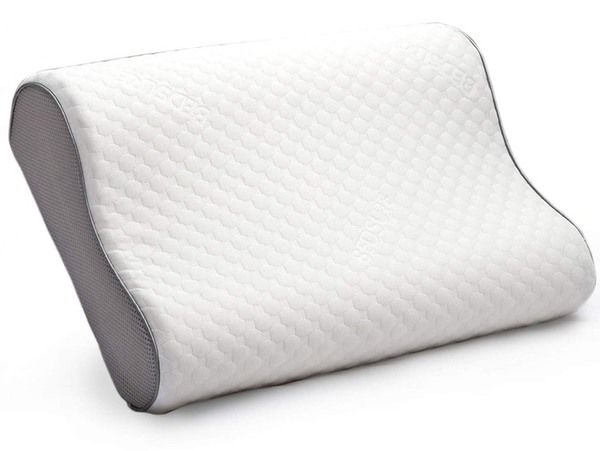
They are the traditional, most popular variety. They consist of one solid block of foam, usually with wavy curves or ridges cut into them. The curves are intended to support your neck and cradle your head.
Best for: Individuals who prefer firm, consistent support. They tend to be a favorite among back and side sleepers.
2. Shredded Memory Foam Pillows:
These memory foam pillows use small, shredded pieces of memory foam instead of one solid block of foam. Imagine a beanbag chair, but for your head.
Best for: Individuals who desire the contouring properties of memory foam but prefer a softer, more conforming sensation. You tend to be able to remove or add foam to suit your preference for the loft (height) of the pillow. They are also highly pliable and simple to fluff.
3. Gel-Infused Memory Foam Pillows:
One of the popular complaints against memory foam is that it can cause you to become overheated, trapping body heat. Gel-infused memory foam pillows contain small gel beads incorporated into the foam. These gel beads draw heat from your body, keeping you cool through the night.
Best for: Hot sleepers, warm-climate dwellers, or anyone who sweats at night. If you prefer cooling memory foam pillows, this is your best option.
4. Ventilated Memory Foam Pillows:
Ventilated memory foam pillows have small holes or channels all over the foam. These holes enable airflow through the pillow, which also serves to keep you cool and stop heat buildup.
Finding Your Ideal Match: A Guide by Sleeping Position
The ideal memory foam pillows for you rely greatly on your sleeping position at night. Your sleeping position decides the amount of support and loft you require.
Side Sleepers:
Side sleepers require the most loft (thickest) and firmest support to accommodate the gap between their ear and outside shoulder.
What to consider: A contoured, firm memory foam pillow with a tall, supportive loft. The contour should perfectly support your neck to maintain the integrity of your spine. Side sleepers tend to get the most benefit from memory foam pillows.
For Back Sleepers:
Back sleepers require a medium loft pillow that provides support for the natural curve of their neck without forcing their head forward too much.
What to look for: A thinner pillow, usually with a slight contour or a cervical roll (curved bump) at the base to cradle the neck. The idea is to preserve the natural curve of your cervical spine.
For Stomach Sleepers:
Stomach sleepers require an extremely low loft (extremely thin) and extremely soft pillow. A heavy pillow will bend your neck back into an extreme angle, which is awful for your back.
What to search for: A soft, shredded memory foam pillow you can form into a very thin layer. Some experts even suggest that stomach sleepers shouldn’t use a pillow at all under their head, but a very thin one under their hips instead in order to align their spine.
For Combination Sleepers:
If you switch positions throughout the night, you require a multifunctional pillow.
What to consider: A shredded memory foam pillow usually works best. It’s pliable and will conform to you as you shift positions. A medium-loft solid pillow is also a possibility if it’s not too stiff.
How to Find the Best Memory Foam Pillow for You
There are so many, how do you decide? Just follow these easy steps:
Know Your Sleeping Position: This is the first step. Refer to the guide above in order to shortlist the type of loft and firmness you require.
Think About Body Size: A bigger person with wider shoulders will require a higher loft pillow (particularly for sleeping on one’s side) than a smaller person.
Think About Heat: Do you sleep hot? Then gel-infused or ventilated memory foam pillows should be your priority.
Check the Cover: Your pillow needs a good cover. Ensure that it is removable, zippered, soft, breathable, and washable in a machine. Bamboo-derived viscose covers are very good for keeping cool.
Read Reviews: Read what other folks who sleep similarly to you are saying about the pillow you are thinking of buying.
Maintaining Your Memory Foam Pillow
If you properly take care of your pillow, it will serve you for years.
Use a Protector: Always use a pillow protector beneath your pillowcase. This forms a safeguard against sweat, oils, and dust, keeping your pillow clean and its life prolonged.
Spot Clean Only: You must never put a solid memory foam pillow into a washing machine. The foam will be wrecked by the agitation. If you must clean it, wipe the surface with a damp cloth and mild detergent. Allow it to air dry fully.
Air It Out: If your pillow starts to have a faint stench, air it out in a well-ventilated area for a few hours. The fresh air will cure it.
Fluff It: Fluff up your pillow thoroughly each morning when you make the bed. This keeps it in shape and airs out.
Some shredded memory foam pillows are machine washable, but always check the label of your manufacturer first.
Where to Purchase Memory Foam Pillows
You can buy memory foam pillows almost everywhere:
Bedding Stores: Specialty mattress and bedding stores will carry a large assortment you can sometimes try out.
Department Stores: Target, Kohl’s, and Macy’s have a reasonable assortment of inexpensive ones.
Online: You can shop online on websites such as Amazon, Brooklinen, and Casper. They usually have extensive descriptions, videos, and reviews from thousands of customers to inform your decision. Some of them also have fantastic sleep trials where you can try the pillow for a few months before returning it if you don’t adore it.
Conclusion: Your Best Sleep Is Waiting
Investing in a high-quality pillow is one of the easiest and most effective ways to improve your sleep health. Memory foam pillows offer unique support and pressure relief that traditional pillows simply can’t match.
If you’re sick of waking up hurting or unrested, it may be time to switch. Reflect on how you sleep, think about what you need, and take the leap to discover your ideal memory foam pillows. Your neck, your back, and your future rested self will thank you for it. Sweet dreams.
Spreading Your Knowledge: The Deep Dive into Memory Foam
Now that we have the fundamentals out of the way, let’s discuss some finer points of memory foam pillows to make you an absolute educated consumer.
Foam Density and Quality
All memory foam is not created equal. Perhaps the single most significant factor in determining the quality, comfort, and longevity of your pillow is foam density, in pounds per cubic foot (PCF).
Low-Density Foam (< 3 PCF): It is softer, less supportive, and more prone to breakage. It will deteriorate and lose its shape more quickly. Pillows filled with memory foam and using low-density foam are typically the lowest in cost but will be replaced more frequently.
Medium-Density Foam (3-5 PCF): Most sleepers will find this to be the sweet spot. It strikes a good balance between soft and supportive and is far more resilient than low-density foam. Most of the good-quality memory foam pillows you come across will fall within this category.
High-Density Foam (Over 5 PCF): This is very firm, supportive, and durable foam. It can feel too firm for some people but is excellent for those who need maximum support and want a pillow that will last for many years.
When shopping, look for brands that disclose the density of their foam. It’s a good sign of a quality product.
The Break-In Period: Getting Used to Your New Pillow
Adjusting to memory foam pillows can feel strange, and there is sometimes a “break-in” period.
The Feel: Memory foam feels different than down or polyester. It’s less fluffy and more supportive. It may feel harder than you’re used to initially.
The Smell: New memory foam pillows usually have a chemical scent due to the manufacturing process. This is referred to as “off-gassing,” and this is natural. The odor is not toxic and will be gone entirely within 24-48 hours if you allow the pillow to air in a well-ventilated area.
Give It Time: Your body takes time to acclimate to the correct alignment. Don’t abandon your new pillow after the first night. Most authorities advise giving it two weeks of use before determining whether or not it’s suitable for you. That’s why sleep trials are worth their weight in gold.
Who Are Memory Foam Pillows Best For?
Though they can be useful for many, memory foam pillows are particularly beneficial for:
Neck and Back Pain Sufferers: As mentioned, the alignment at the top can also relieve pain from sleeping in a bad position.
Allergy Victims: Since they are dust mite resistant and hypoallergenic, memory foam pillows are a great option for the development of an allergy-free bedroom.
Side and Back Sleepers: Both of these sleepers can take full advantage of the support of the contouring that maintains their spine in a neutral position.
Arthritis Sufferers: The pressure relief properties can decrease sensitivity to pain in arthritic joints.
Who May Prefer to Steer Clear of Them?
Stomach Sleepers: They tend to require a very soft, nearly flat pillow, which most memory foam pillows are not.
Those Who Absolutely Dislike a Firm Feel: If you adore a super-soft, puffy cloud-like pillow, the supportive firmness of memory foam may not appeal. Though, a shredded memory foam version may be a suitable compromise.
Those Who Get Very Hot: Despite gel infusions, some sleepers continue to find memory foam too hot. Such sleepers may consider other cooling materials such as latex.
Beyond the Pillow: Creating a Sleep Sanctuary
Your memory foam pillows are an important aspect of your sleep health, but they best function as part of an overall sleep-friendly environment.
The Right Mattress: Not even the best pillow can compensate for a poor mattress. Your mattress must also promote your spine’s natural alignment. Memory foam pillows go perfectly with memory foam mattresses but with any supportive mattress.
Bedding: Natural fiber, breathable sheets (such as cotton or bamboo) can assist with temperature control, adding to the efforts of your cooling memory foam pillows.
Room Environment: A quiet, dark, and cool bedroom is necessary for quality sleep. Think about blackout curtains and a white noise machine.
Taking a wholistic approach will see your investment in a quality memory foam pillows pay off even further with radically better sleep quality and overall health.